
Arugula Pizza and other creations from my CSA box: Week Two

 The first thing my friend asked when we arrived to split our first harvest from our East Hill Farms CSA was:
“Where’s the tomatoes?”
Actually, what he said was “Ma kara? Eiphoh ha tomatoes?” But for those of you who do not understand Hebrew, I’ve translated it for you.
This was a question of serious concern from my friend, a native Israeli. And Israelis take their tomato-cucumber salads very seriously.
This is the thing that one must understand when joining a local CSA, or Community Supported Agriculture farm: In early June, in Western New York, those coveted red, vine ripened tomatoes don’t exist. At least, not the kind that don’t grow in hothouses.
For those, we have to be patient.
But, here are some things I have made from our first helping of CSA vegetables from the East Hill Farm, plus the earliest herbs I’ve grown and picked in my own garden:
Lettuce – Not the durable, homogenous pale Romaine hearts you get in a plastic bag at the supermarket. But tender, sweet tasting lettuce. Naturally, these went immediately into a salad.
Kale –Hmmmm, that’s bitter stuff, you may think. But if you join a CSA, be prepared to get a lot of Kale. It really does taste great and is packed with nutrients. It’s best sauteed with olive oil & garlic (the fresh kind provided by the CSA) for a warm salad. Drizzle it with Balsamic Vinegar and toss it with walnuts.
Bok Choy – I sauteed them with garlic and ginger.
Pea Shoots – I sautéed these right along with the Bok Choy.
Finally, something that did not come from my CSA but my own garden.
Arugula. Since I have blogged about growing arugula, I have received nearly 100 hits for people searching for arugula on the web.
One night, after shuttling my sons to and from their back-to-back baseball games, I decided not to cook but instead ordered in a pizza.
To jazz up my pizza, I went to my garden. I picked out some baby arugula leaves.Washed them well. Plopped them on top of a pizza slice. Fantastic.
It’s not too late to plant arugula. In fact, it’s the right time to start some arugula seeds now, in a partially shady spot, to enjoy later this summer.
And, have no fear, judging from the yellow flowers that are forming on my tomato plants, I am sure those red globes of sumer deliciousness will be arriving very soon.
Down and Dirty, Laissez faire Gardening
There are many magazine articles and blog posts that feature sumptuous photo spreads of gardens in full bloomed glory. Beds of perfect tulips. Rodent and insect-free vegetable gardens bursting with a unbitten, sun-ripened bounty.
This blog post will not be one of those. This is for the rest of us.
Any chance of me having one of those gardens, where the sun actually ripens tomatoes on the vine before the first frost, is gone. I missed out. For whatever reason – maybe it was procrastination, or maybe for lack of believing that winter would ever end this year – I missed the March 1 deadline in signing up for a plot in the Brighton Community Garden. Yes, I believe that day in March, we were under a blizzard warning.
Gardening up North can be frustrating. The season is very short. Veteran Rochester gardeners warn the uninitiated not to plant anything in the ground before Memorial Day weekend. I received gasps of horror when I informed some that I had planted my tomatoes two weeks ago. But they had become so leggy and pale looking under my basement grow lights, I really had no choice.
And my flowers? I’m trying not to have a meltdown after the bunnies in my garden CHOMPED off the heads the poppies that I have waited all winter to bloom. At least those red bugs have not attacked my Asiatic lilies. At least not yet.
That perfect garden is just not going to happen. So, this year I am just going to relax and keep it in perspective. I think about the ravaged midwest and how lucky we are in boring, tornado-free upstate New York. I think of the farmers who rely on the land and ideal weather conditions to make their living.
It has been one soggy spring, one of the rainiest in record in Western New York. In fact, in April, Western New York received 5.81 inches. So far, in May: 3.32 inches. Upstate farmers are weeks behind in planting their peas and corn. And the farmers at my East Hill CSA have already warned us that this year’s crops are getting a late start because of the soggy conditions.
This year, I am leaving my garden primarily up to nature, because I think She is the best gardener after all. I will embrace my failures.
The Zinnias that I started from seed in the winter are quite puny and can really use some sun and heat:

This Burpee "raspberry lemonade" zinnia did not make much progress under grow lights. Zinnias need heat to thrive
And tomatoes? These are the ones I planted from seed back in February, they also need some sun and need to dry out:
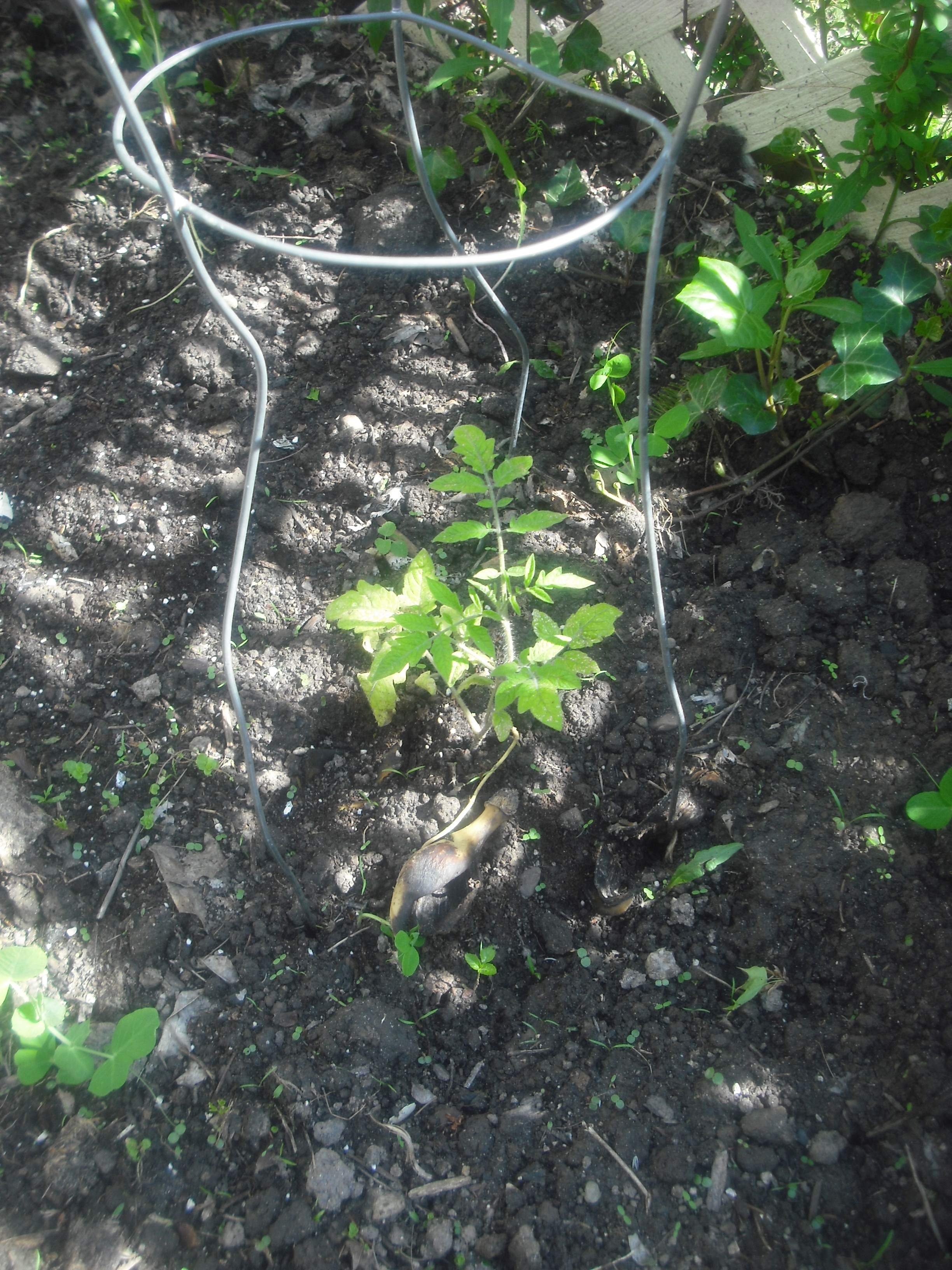
This tomato plant has a long way to go before it fills its cage
But some plants do well in cold wet weather. Here is a picture of the arugula I started from seed way back in the winter:

Arugula Grows well in cold weather - and the rabbits hate it.
But nature is the best gardener. I call these volunteers. This year, if it is not a weed, I’m letting it grow. And who cares if they are not in perfectly straight lines. If it is a seedling left over from last year, I’m letting it be and will let it grow:
Like Dill

Dill always comes back from the seeds of last year's plant: no need to replant.
That will go very nice with the cucumbers that will grow on this vine, also a pop-up volunteer:

Cucumber vine - or maybe it's a pumpkin vine/
And as for perennial flowers. If you see one of these growing in your garden, jump for joy. It is not a weed, but the start of a beautiful lupine:

Lupine Seedling
Leave it alone, just where it is, and it may grow up to look just like its mom:

A backlog of blogs
Okay.
So, so much for Post-a-day.
These days, I’m lucky if I can post-a-month.
But I have so many ideas to write about but working, parenting, track, baseball and concert season are getting in the way. So is that chocolate milk that my son just spilled on the kitchen floor.
So, before I have to be in two directions at once, here are some topics I have been meaning to blog about. You pick what I should tackle first:
- More Love Letters: This time, the ones I found between my grandparents before they were married.
- The Robin who made a nest in our front shrub.
- The African Burial Ground in downtown Manhattan
- Transitions from childhood to teen-dom
- What we saw at Ground Zero
Gotta go and watch my youngest play ball!
Like a Walk in Highland Park


every year, the entrance bed of the park is filled with pansies
It’s been a cold dark week. The news nationally, while triumphant, stirred up a lot of questions and decade-old images. What is closure anyway?
Locally, a hate crime has been committed in our town. Our high schoolers are wrestling with the news that this action was allegedly committed by someone they consider a close friend.
But, yesterday the sun finally came out. May is nature’s reward to Rochesterians for sticking it out through the long winter.
So, to forget it all, I took a walk in Rochester’s Highland Park. This park is known for its vast lilac collection – one of the nation’s largest. And with it, Rochester hosts one of its most popular festivals.
So, before the crowds, and the vendors selling fry bread and fried artichokes and – fried everything arrive. I took a walk in Highland Park and snapped the following photographs:

the earliest lilacs are just starting to bloombut the trees along the path were burstinga field of daffodilsI walked past a grove of magnoliasuntil I reached the reservoir and enjoyed this view
I’m not waiting until Spring: This is what I’m Planting Now

with seed catalogs in the mail, can spring be far off?
Another week of winter and another tease by Mother Nature. This past Friday sent temperatures soared into the high 50’s, reducing the snow to piles of slush. The birds were chirping, and I took a long walk – my first outdoor walk in almost a month.
My garden re-emerged from under the snow and revealed daffodil shoots peeking up, as if to extend a long finger to winter saying, “curse you winter! Spring is coming whether you want to leave or not!”
But winter isn’t letting go. The weather will fight with itself for another month before it turns spring for good.
It’s this time of year when gardeners like me really need to get our fingers dirty in some soil. I need to plant something. I need to see that moment when a new plant breaks through the soil. After months of unrelenting white, I need to see something green (besides the moldy lemon hiding in the back of my refrigerator).
Hence the garden shows that come to cities around the country this time of year. This includes the Rochester Home and Garden Show March 26 – 27.
I start seeds of flowers vegetables and herbs in my living room. Newly planted seedlings keep warm thanks to the floor vents in my house, which was built in the 1920’s. As they sprout, I bring the seedlings down to the grow lights in my basement. These grow lights are visible from my basement window. So, if you are a law enforcement officer trolling the Internet, let me assure you that I grow NOTHING that is not legal.
So, here is how I start:
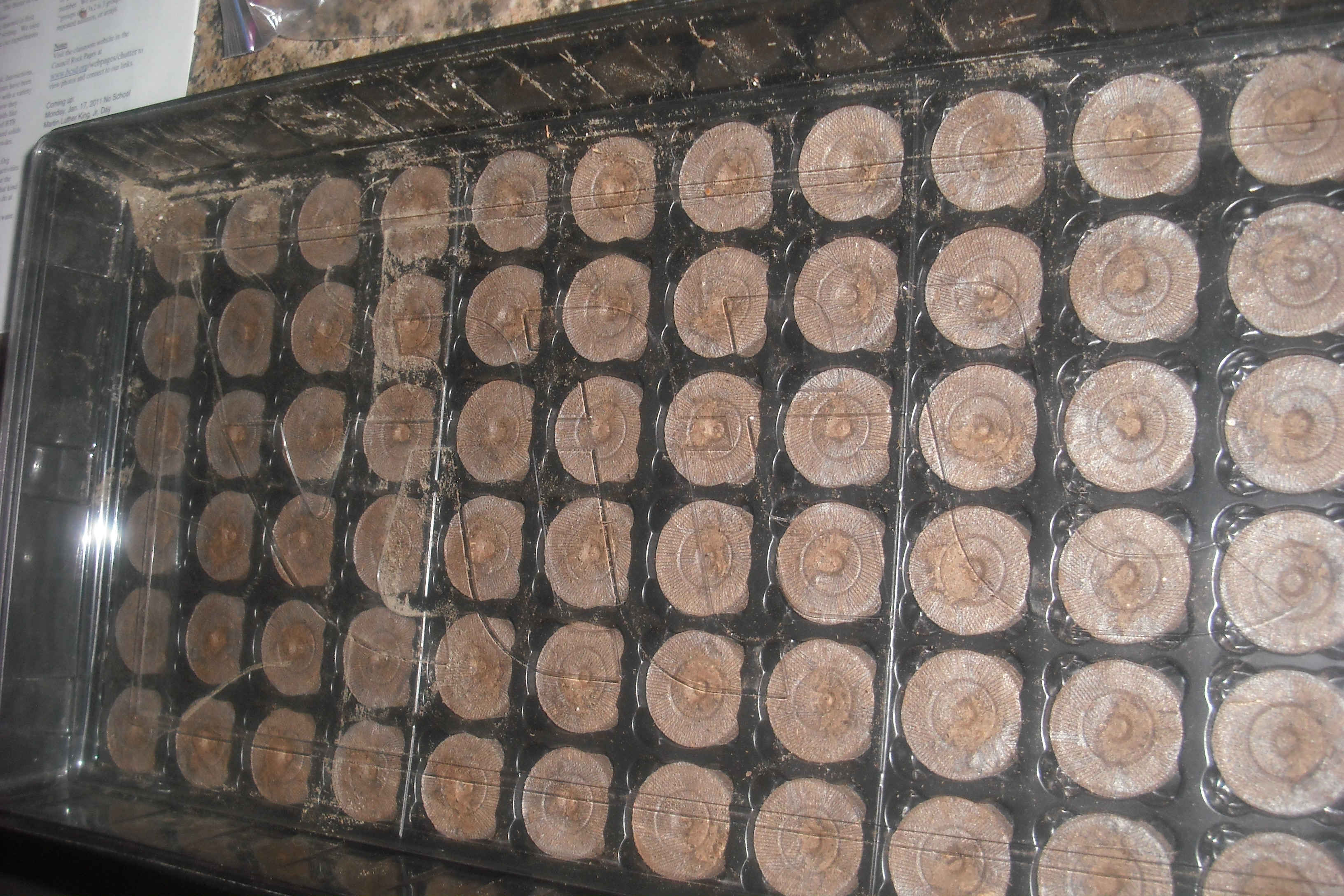
I begin with seed pellets. You can buy these at the big box home improvement stores or seasonal sections in a good grocery store. These pellets will puff up with some warm water. Kids like this step because these flat pellets grow right before their eyes.
Then, I filled the pellets with seedlings of
Basil
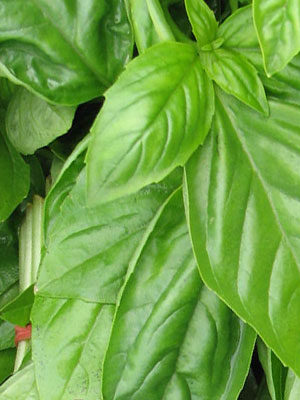 Even the tiniest basil leaf, if you run your fingers over it, carries that strong, sweet aroma and reminds me that in a few months, these leaves will become the ingredients of a Caprese Salad or Pesto when they grow up.
Arugula

The tiniest arugula leaf also carries that same zippy, peppery taste of its grown counterpart.
And, for a little color, this year I’m going to plant
 Raspberry Lemonade Zinnias.
Not to mention ‘carnival’ bell peppers. And I feel most obligated to grow a tomato variety developed at Rutgers University.
I’ll be taking pictures of my seedlings as they grow.
A Share in Community Supported Agriculture: Let the Adventure Begin

This week, a friend and I put down the down-payment on an epicurean adventure we will be taking this summer.
Why is it an adventure?
Because we have signed on and invested in a local farm, and all the risks that go with farming. We are taking a bet on Mother Nature that she will bestow upon our local farm the perfect conditions for growing a bountiful crop this summer.
Because this summer, we will have to get very creative with kale and beets.
The rising demand for locally-grown produce and sustainable farming methods has created opportunities for developing a connection between enterprising young farmers and suburbanites through a movement called Community Supported Agriculture, or CSA.
In December 2001, one source reported a net total of 761 CSA farms registered with USDA. By 2007, an agricultural census conducted by the USDA tallied 12,549 farms that marketed products by way of community supported agriculture (CSA).
Most of these CSA farms are located in California and Texas. Right now, in New York State, there are about 200 farms that use CSA as a method to market their crops.
Oe of them is the East Hill Farm CSA in Middlesex. It is the project of the Rochester Folk Art Guild a sustainable community of artisans and farmers who have worked and created on this farm since the 1960’s.
Though the ground is still covered with snow, the East Hill Farm managers are busy ordering vegetable seeds, recruiting volunteers and processing CSA membership applications. Over half of the farm’s 80 shares have already been sold. A membership for 20 weeks of produce costs $500, or $490 if purchased before March 1. Shares include a wide variety of vegetables, as well as fruit in the later part of the season.
Information on getting a CSA share can be found at www.easthillcsa.org or by calling the JCC at (585) 461-2000. At the website, one can even sign up for a “CSA buddy” to split a share if a boxful of veggies every week may be just too much to consume.
The East Hill Farmers represent a new generation of farmers who may not necessarily have a background growing up on a parent’s or grandparent’s farm. What they do have is a passion for growing food with organic and sustainable techniques.
Cordelia Hall grew vegetables as a child in a community garden and then became part of the “guerilla” urban gardening trend while she was a student at Boston University. Now in her third year as co-manager of the farm, she has observed and worked on farms in Tanzania, New Zealand and Mexico.
Thomas Arminio, another suburbanite-turned-farmer at East Hill, said his experience in farming has taught him that timing plantings just right is crucial for having successful crops. A native of New Jersey, he is looking forward to growing interesting varieties of melons and root vegetables along with heirloom tomatoes, beets, Swiss chard and lettuces.
So, this summer, I can actually say I have become acquainted with the people who will grow my food, because I interviewed them for my column and this blog post. You just can’t say that buying a plastic-wrapped package of hothouse tomatoes from a big box warehouse store or the supermarket.
As I get my box of veggies for the week, I’ll write about what I got, and what I made, so stay tuned.
Snow Blower vs. Snow Shovel
So here we go again. Another week, another snow storm.
And this time, Rochester isn’t going to get off Scott-free like we have so far this winter. As we await the next deluge of snow, I know you are all sick of it. But up here in Rochester, we’ve only had 77 inches fall this winter. Only. But only in terms of “lake effect” showers and flurries. Never a mention of a storm. Just enough snow to fall each day to cover the ugly grey snow. And not enough to justify a snow day.
But our day may be coming this week. Finally!
This is a piece I wrote a few years back that I figure would be very timely right about now. I know it’s tough, but do try to enjoy and appreciate the quiet and beauty of the snow. Because in a few months, we’ll be wishing for some cool weather.
We actually do have a snow blower. A Toro Powerlite snow blower that our relatives gave to us as a housewarming gift when my husband and I moved to Rochester from New Jersey with our two small children nearly a decade ago. It is nestled on the left side of our Tudor’s tiny one-car garage – a garage that was built to fit 1920’s model cars, not today’s SUVs or minivans. Over the years, it has certainly served us well. My husband uses the snow blower on mornings when he has to get out early On early winter mornings I often wake to the sound of him repeatedly pulling on its cord to get it whirring to a shuddering start, the smell of the gasoline seeping upward from the garage directly overhead to our bedroom.
But I left the snow blower in the garage today and opted for my ergonomic snow shovel. If I used the snow blower, I wouldn’t have delighted in the soundlessness that a snowstorm creates, the snow’s ability to absorb noise in our motorized world. I wouldn’t have had the chance to watch the snow change from white to the slightest tinge of blue when it is pushed aside by the shovel’s blade. Or hear the chickadees chirping in the backyard and think about how I may at some point want to train them to feed out of my hand.
The snowy weather does get a bit old here in Rochester, here at January’s end when at least two more months of snow await us and with the knowledge that we could not afford plane tickets to Florida for this year’s February break.
You can’t stir a sleepy child out of bed at January’s end with the exclamation of
“Look! It snowed last night”.
Maybe you can get away with that in November, or even mid-December, when snow is still a novelty. But when one’s alarm has been buzzing before dawn since November, and grass and brick and garden beds have not been seen for over a month, the child looks at you as if to say “big freaking deal, MOM” and rolls over in a vain attempt for one more minute of sleep.
We are not bears. And we cannot sleep all winter. So out we go into it. Whether it is to school, work, food shopping, we must.
And you know something? If you are wearing enough layers, and there is no bitter wind to bite your face, shoveling snow by hand, and then taking a walk in it can be very invigorating, just about as invigorating as the Zumba class that I decided to blow off today. As I walk, I turn my feet outwards, and then in, just like that boy in Ezra Jack Keat’s beloved children’s book. (Need I tell you the name?) I think about diverting my children from the television and getting them into the snow to play as they get off the schoolbus. I feel the gentleness of the flakes hit against my hat. And when the one other person out walking today in my neighborhood passes me, we smile at each other knowingly, as if we are privy to a very well kept secret.
As I turn home, an enormous truck with an eight-foot high snowplow turns the corner and packs the snow bank blocking our driveway even higher. Okay, there is no romanticizing anymore, and I head to my garage to start up the noisy, smelly snow blower.
Winter Blahging
At the beginning of January, Mother Nature gave us Western New Yorkers quite the tease.
Every flake of snow melted away. Temperatures soared — SOARED – into the 50s. People were out everywhere that first week in January. We thought – so this is what the outside feels like again. So this is what it is like to go outside minus the hat, the fleece gloves, the silk thermals. This is what it is like to walk outside without guarding every step from a trecherous icy patch.
But we knew it couldn’t last. And the cold, along with the winter blahs, is hitting many of us as hard and unrelenting as this winter.
This week, temperatures refused to budge above the 20’s and the sun made a few cameo appearances, starring as a pale egg yolk in a grey sky. As tempting as it is to fly away and visit my parents in Florida over February break, the $600 plane tickets say we are in the cold for the long haul.
Turning on the TV doesn’t seem to help matters. The grim news from Arizona, plus the loss of the contemporary Jewish song composer Debbie Friedman made the week even tougher to bear.
Did I say that the days were getting longer in a recent post? Well, the darkness still seems to come very early these days. And though I do try to get outside, I’m tired of fighting Old Man Winter, and he is starting to win.
I posted just how blah I felt on my Facebook status and was thankful for all the friends who wrote in their suggestions: exercise, a drink, getting out with other people, or staying inside with one special person : ).
But there, in the seasonal aisle of Wegmans, I saw it. My cure for the winter blues.
A Jiffy Greenhouse Seed Starter!
With that, and a purchase of some organic Parseley and Arugula seeds, the smile returned to my face. Let the 2011 gardening season begin.
Fall Leaves: Rake Many, Turn a Few into a Turkey
By now, in Western New York, the fall foliage has long reached its peak of yellows and reds.
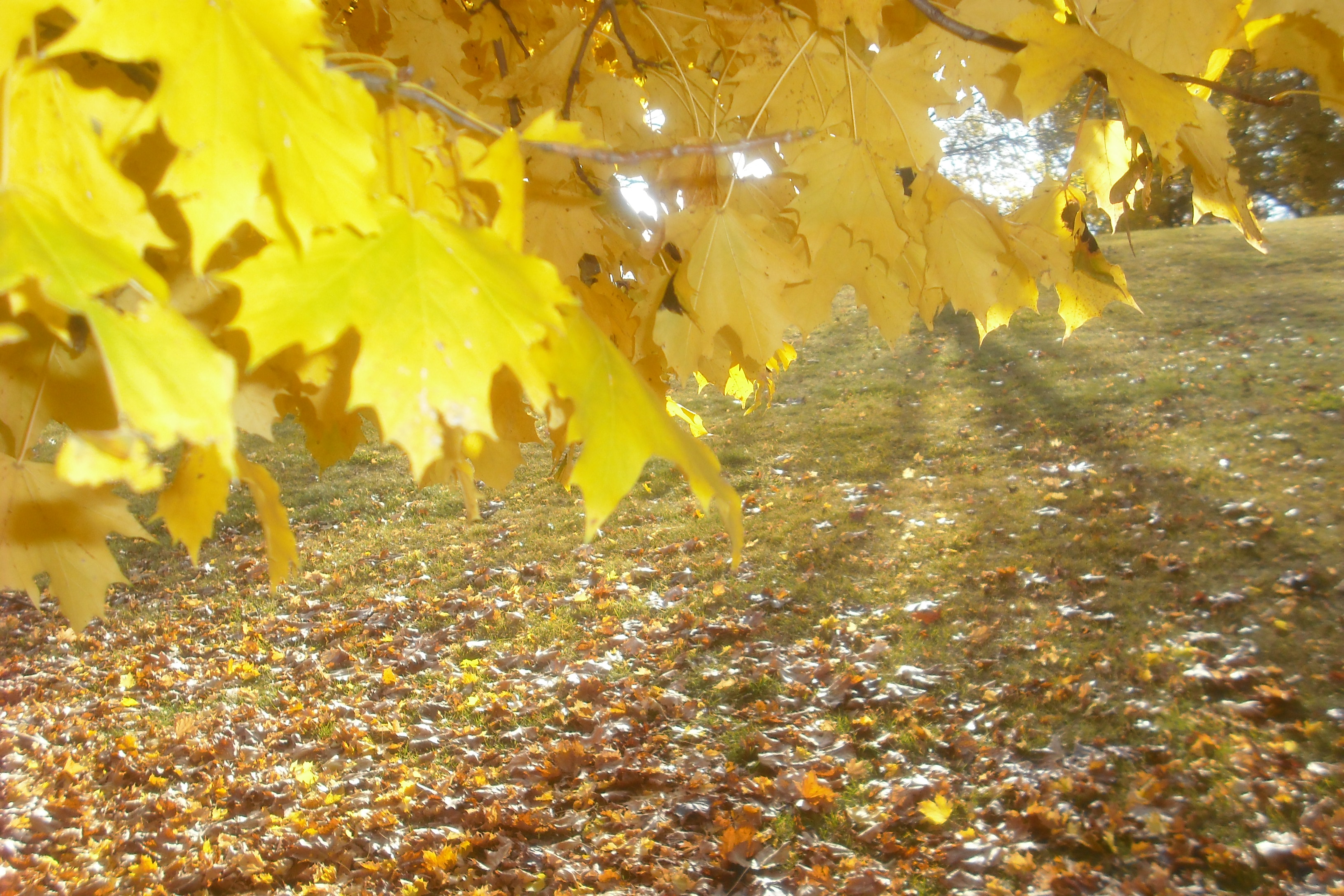
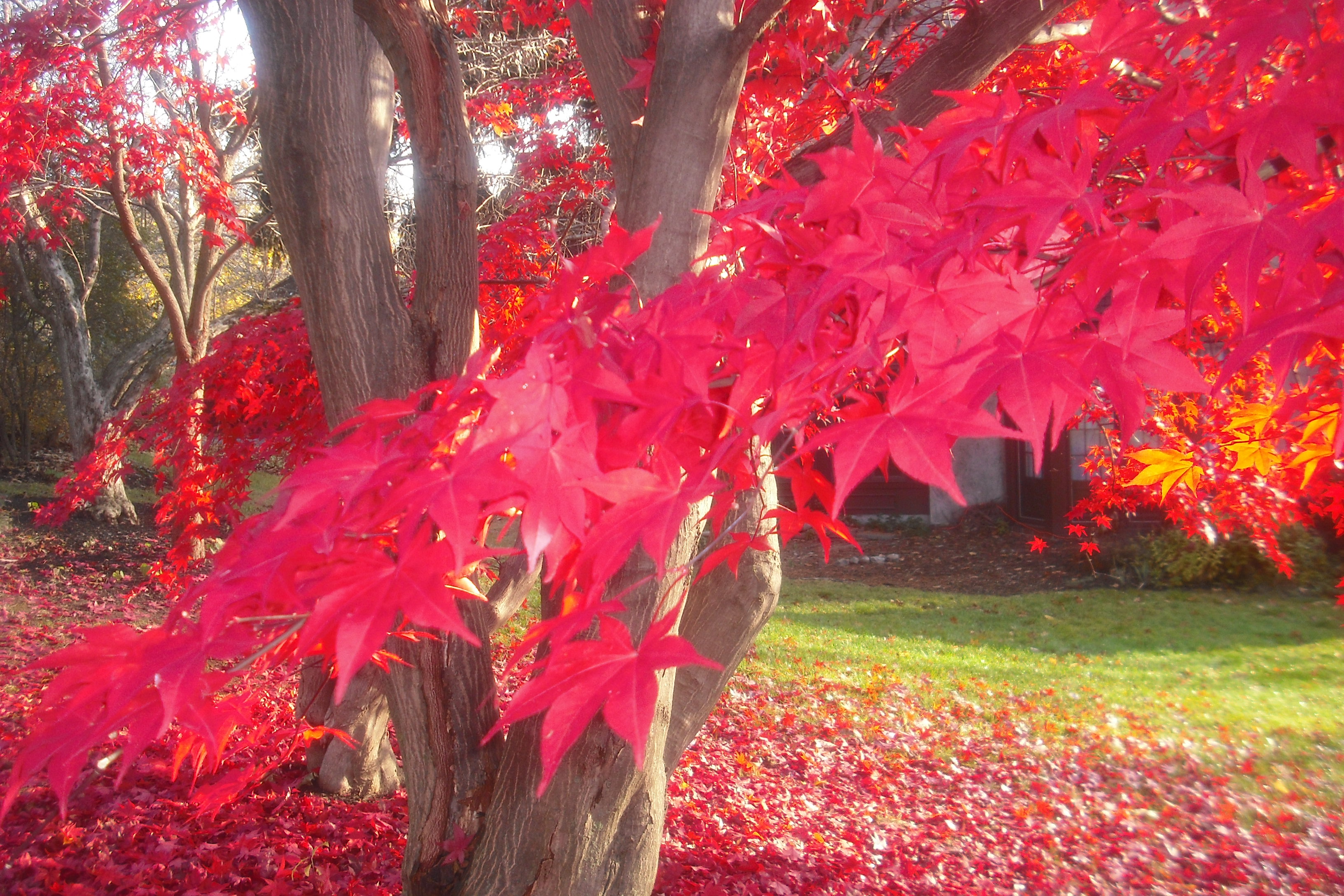
Now, when I look up at the massive sugar maples in my neighborhood (the ones that are covered with snow in my homepage picture), sadly the branches are mostly bare. The only color they will be covered with over the next four months or so, is white.
Wherever you are living now, I bet you are thinking: how to get rid of all the leaves? Rake them? Mulch them? Sick the leaf blower on them?
But before you rake, blow, or mow every last leaf away and before the snows fall, admire the carpets of red and yellow that lie at your feet.
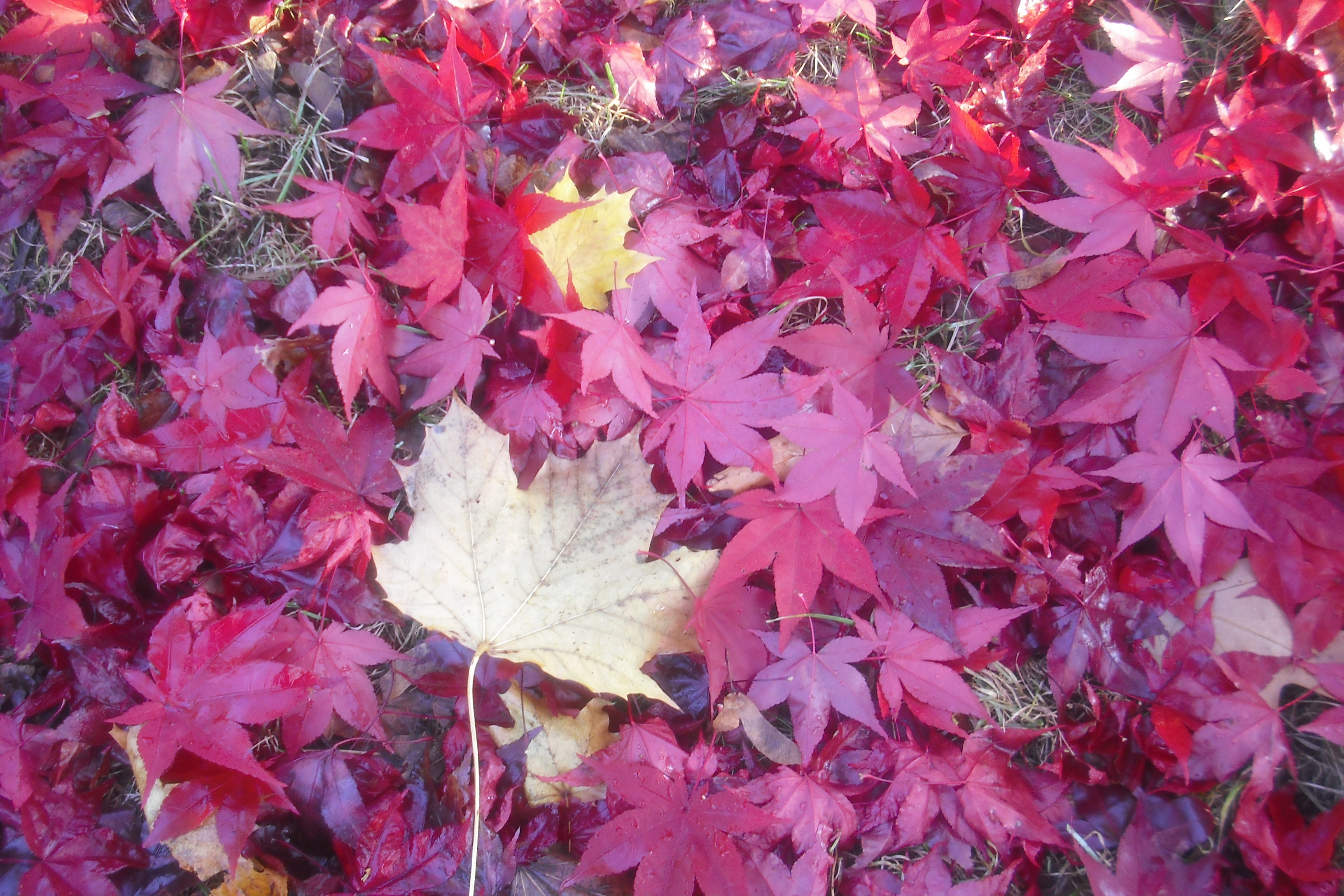
Then, save a few of nature’s castoffs for craft supplies that can last the whole winter through. Here’s how:
- First, find a preschooler to help you with this task. They are low to the ground and can teach you how to appreciate the simple, beautiful perfection that is found in one leaf that is the color of fire.
- Then, show that preschooler a telephone book. Theirs will probably the last generation that will actually come in contact with one of these volumes of bound, thin yellow paper volumes. None of them I bet ever had a parent use them as a makeshift booster seat or a stepstool. Show them that these yellow or white clunky books were once used by people to look up numbers for plumbers or dog groomers but now come in handy for pressing leaves.
- Next take a few of your leafy treasures and pat them dry with a paper towel, and place them between the pages of the book.
- While the leaves are drying and pressing, read to them a wonderful book like Leaf Man, by Lois Ehlert to get inspiration as to what to do with all those pressed leaves.
Our preschool class used leaves to represent the feathers of turkeys in our thanksgiving cards, like this:
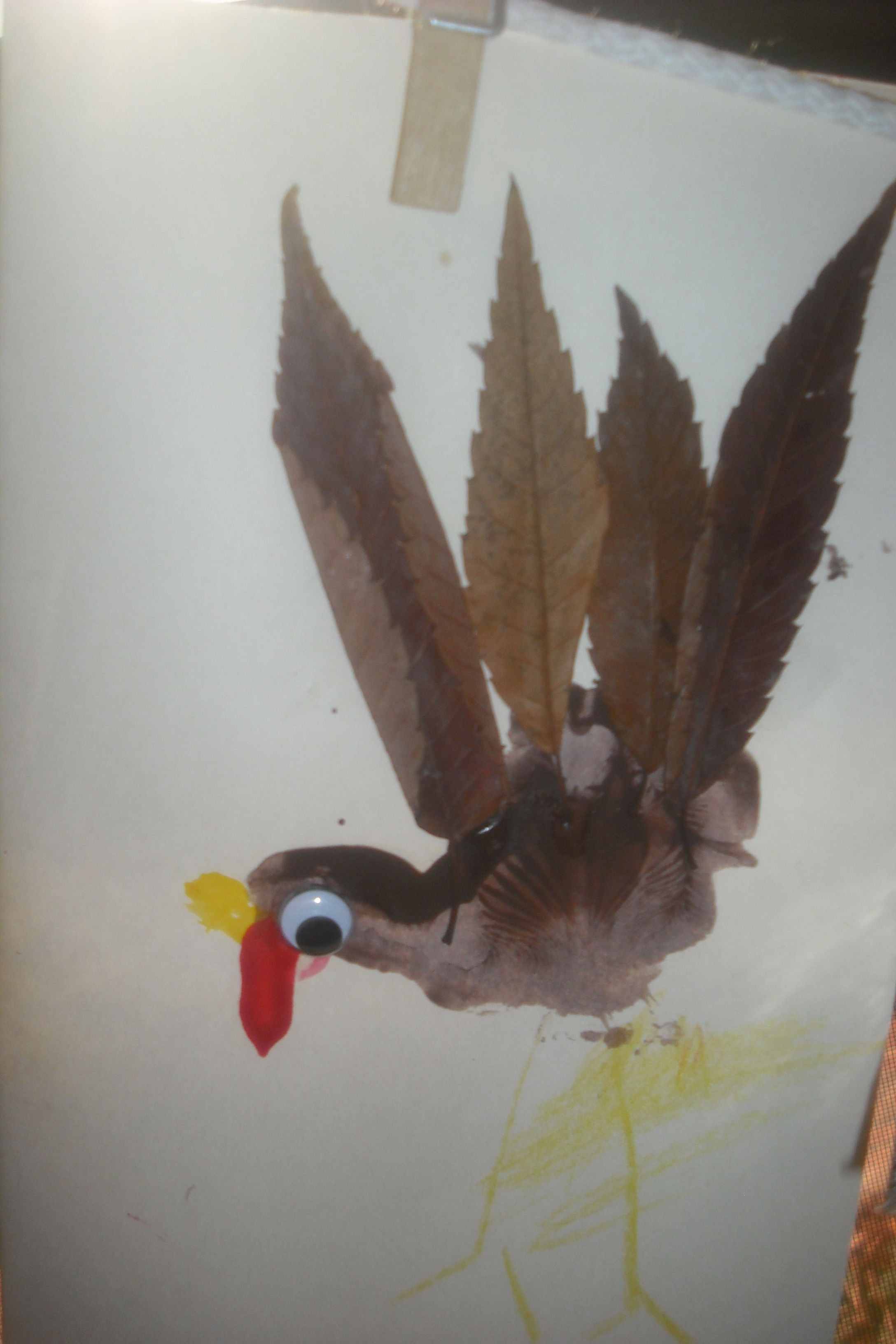
Fall leaves are abundant - and free - and make for great crafts like this turkey
Send me your comments and pictures about what you made with your leaves.
Bye-bye Tar Beach, Hello Green Roof

Growing up in Brooklyn, if you couldn’t make it to the real beach on a hot summer day, all you had to do was go up to Tar Beach. Did you go to Tar Beach?
“It was really hot up there,” my mom told me on a recent visit, as she told me about how she and her friends would spend hours up on the roof using sun-reflectors even to maximize their tans. Ahh, the good old days!
Tar roofs, though hot and contributors to global warming, made great song material, though, you must admit.
The Drifters sang about the sun burning the tar up on the roof in “Under the Boardwalk” and how to forget all your cares “Up on the Roof.” Elton John sat up on his roof and kicked off some moss in “Your Song.”
Perhaps Elton should have cooled his boots for a moment and left the moss alone. Growing plants on roofs — from vegetable gardening to sophisticated sod membranes that soak up urban water runoff and cool the air — are becoming a required building material in cities like Toronto and Chicago.
I know that tar roofs are not exclusive to Brooklyn, no matter how Brooklyn-centric my point of reference may be. In fact, cities like Chicago, where new laws are in place requiring new buildings to have green roofing materials, the temperature on a tar roof can be 78 degrees hotter than that on a green roof.
Walk across any asphalt parking lot on a summer day and then walk across a green lawn. You don’t have to be a scientist writing a big fat feasibility study to understand how black top paved surfaces and roofs heat the earth and green areas have the potential to cool it.
In Rochester, NY, The Harley School is employing this technology as one long-term science project and can boast that they are the area’s first school to have a green roof. This sustainable technology will not only act as a natural insulator, keeping the school warmer in winter and cooler in summer, but it will teach its high school students about how buildings affect the environment.
The tar roofs of the past, according to environmentalists, are the bane of city living because they create urban heat islands and contribute vastly to water runoff. Rather than being just a green trend, cities such as Chicago and Toronto require roofs of new buildings to include cooling, greenhouse-gas absorbing plants.
The Harley School on Oct. 18 installed two 10 x 10 ft. plots of hearty winter grass on the roof of their building on 1981 Clover St. The school spent $2,000 for materials and also received an in-kind installation and materials donation from Zaretsky & Associates landscapers in Western New York. In order to grow a section of green roofing, school engineers had to assess if the school’s roof could withstand the additional weight of a weatherproof membrane barrier, two inches of topsoil, the weight of the growing plants, and the water they will retain. The grassy roof serves as a natural insulator and will keep the building cooler in the summer and warmer in the winter. School officials expect to reap the benefits of these initial costs within 3-10 years.
Peter Hentschke, a science teacher who will be working with Harley’s upper classmen on researching the impact of the green roof, said the project provides students with hands-on learning. The students will develop mathematical methods and equations to determine how much energy their school saves by comparing temperatures of the school’s different roofing materials. They will also calculate how water runoff is affected by the green roof.
“Rooftop plants catch rainwater and runoff that would have ultimately run into the sewer and overburden water treatment centers. The students are tracking current rainwater runoff with water gauges and will track this throughout the school year,” he said.
Chris Hartman, Harley’s social and environmental sustainability coordinator said the students are “all fired up” about learning about the green roof because it has real-world implications.
“The Harley students are really in the driver’s seat of this project. They know that it is cool to have a green roof, but the challenge will be to come up with the methodology to show how green roofs have an impact in the world around them,” said Hartman. He added that students hope to share the data from the green roof with their classmates, and perhaps local colleges such as the University of Rochester and Rochester Institute of Technology.
If we all started growing green things on our roofs, perhaps by the time these kids graduate college, our cities would from above look less like Tar Beach and more like the ancient hanging gardens of Babylonia. I wonder what songs they will inspire by then.
About Me

Kreativ Blogger

Versatile Blogger Award


 Stacy Gittleman