
Eating my way through the CSA: Roasted Tomatillos

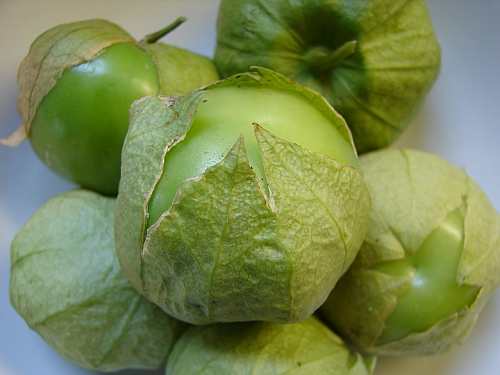 With the fall harvest approaching, my first year in subscribing to a local CSA, or community supported agriculture farm, is coming to a close. My family signed on to share a share with another family: good friends we have known through school, soccer games, and synagogue for over ten years. We decided to go in together in a CSA share as one brave experiment.
The very wet spring that gave way to a very dry hot summer created spotty conditions for the young farmers of the East Hill CSA. Buying into a CSA comes with its risks and rewards, as we were warned. But in the end, joining made me feel good that I am helping local, sustainable agriculture and like the farmers, I am taking a gamble on Mother Nature in hopes of bringing healthy food to my family’s table.
Highs of belonging to a CSA included (for us at least):
- The discovery of Kale and Kohlrabi that can be oven baked, salted and eaten like chips;
- Fresh herbs;
- A weekly sunflower or wildflower bouquet in midsummer;
- Patti pan squash;
- Bags of mixed greens for salad that include edible flowers like nasturtium
- Pints of home-grown grapes that really taste like grapes (my daughter proclaimed they tasted like grape candy). Delicious, if you can work your way around the seeds.
The lows
- Discovering that the weekly box of bounty is not all that bountiful for two families;
- Sharing one eggplant or two (very puny) sweet potatoes can be an exercise in tactical negotiations between two families (Weekly bartering included exchanges like: “You take the sweet potatoes, I insist!”; “Are you sure?”; “Yes, you take the sweet potatoes, but can I have the one cucumber”; “My kids don’t like Swiss Chard, really, you take the Swiss Chard this week …I’ll take the tomatoes…” and so on.);
- Beets. Though the beet offerings as of late are getting more plump, the tiny beets at the beginning of the season in my opinion were not worth the stained hands and countertops for their size;
But readers, as the headline of this blog post promised, this post is about Tomatillos. It’s also about using the blogosphere to find recipes for my CSA goodies.
Since I’ve been blogging, I have come to appreciate search engines. I find it interesting to learn from my blog stats what search terms draw people to my blog. For example, hundreds of people searching for “arugula” or “arugula leaf” have found their way to my blog. So, after my friends decided to bestow me with this week’s share of almost two dozen tomatillos, I returned the favor to the blogosphere by searching for Tomatillos on WordPress.
If you find that you have in your possession a lot of these late-season green, globular fruits with a papery shell, you may want to give this recipe a try for roasted tomatillo salsa that can be used for enchiladas. I found it on Angelinna’s Cottage Blog. Thank you Angelinna, whoever you are.
Goodbye, Summer. I’ll See You in my Freezer
During the long Rochester winters, what I miss most about the summer is my garden. One fall day in early October, when my older son was very small, he accompanied me into the garden as I pulled out the last annuals and put the soil to bed.
As I yanked out the last withering tomato plant, he burst into tears and cried:
“It’s really OVER!!”
One of the favorite dishes of summer for my family that smells as good as it tastes is Pesto.
Take one leaf of basil and rub it between your fingers. The powerful scent it gives off is the stuff of summer. Then, when it is crushed into a paste and mixed with pine nuts, olive oil and cheese, it makes any boring pasta meal a celebration.
To live without basil all winter would be too cruel a reality.
Sure, you can buy yourself some hydroponically-grown basil in the middle of January. One plant, that has about 20 good leaves on it, will cost about 2.99 these days at the supermarket.
Or…..
You can get out to your nearest public market, like the Rochester Public Market, one of the world’s greatest public spaces. Buy the biggest bunch of basil you can find for about $1.50. It will be waiting for you in a big bucket filled with water and if it’s fresh, will still have the roots attached, dirt and all.
Then, take this green bouquet home. It’s so pretty you may want to photograph it, like I did:

My Nikon camera has a setting for photographing food. Who knew?
It isn’t long before basil leaves wither. As harsh as it may seem, pick all those leaves off (I amassed 3 cups of basil leaves with this bunch), wash them well in a colander, and place them in a food processor.

I also put in three cloves of garlic that I roasted. Roasting the garlic cloves brings out their sweetness.
Add to this puree 1/3 cup of some very good olive oil and 1/4 cup of toasted pine nuts or walnuts. You can add 1/3 cup of Parmesan cheese here, but this can be added when you are ready to use your Pesto.
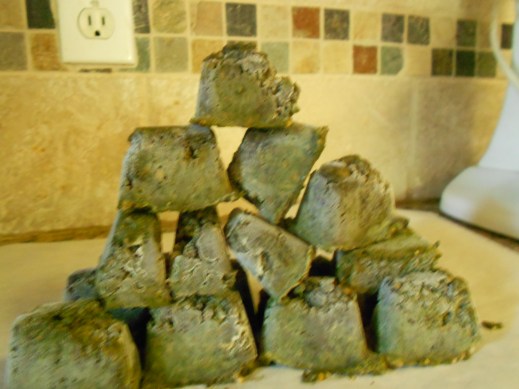
Then, pour the mixture into an ice-cube tray sprayed with cooking oil. (My children think this is very strange and have at times placed a pesto cube, in error, into their water. I don’t recommend this.)
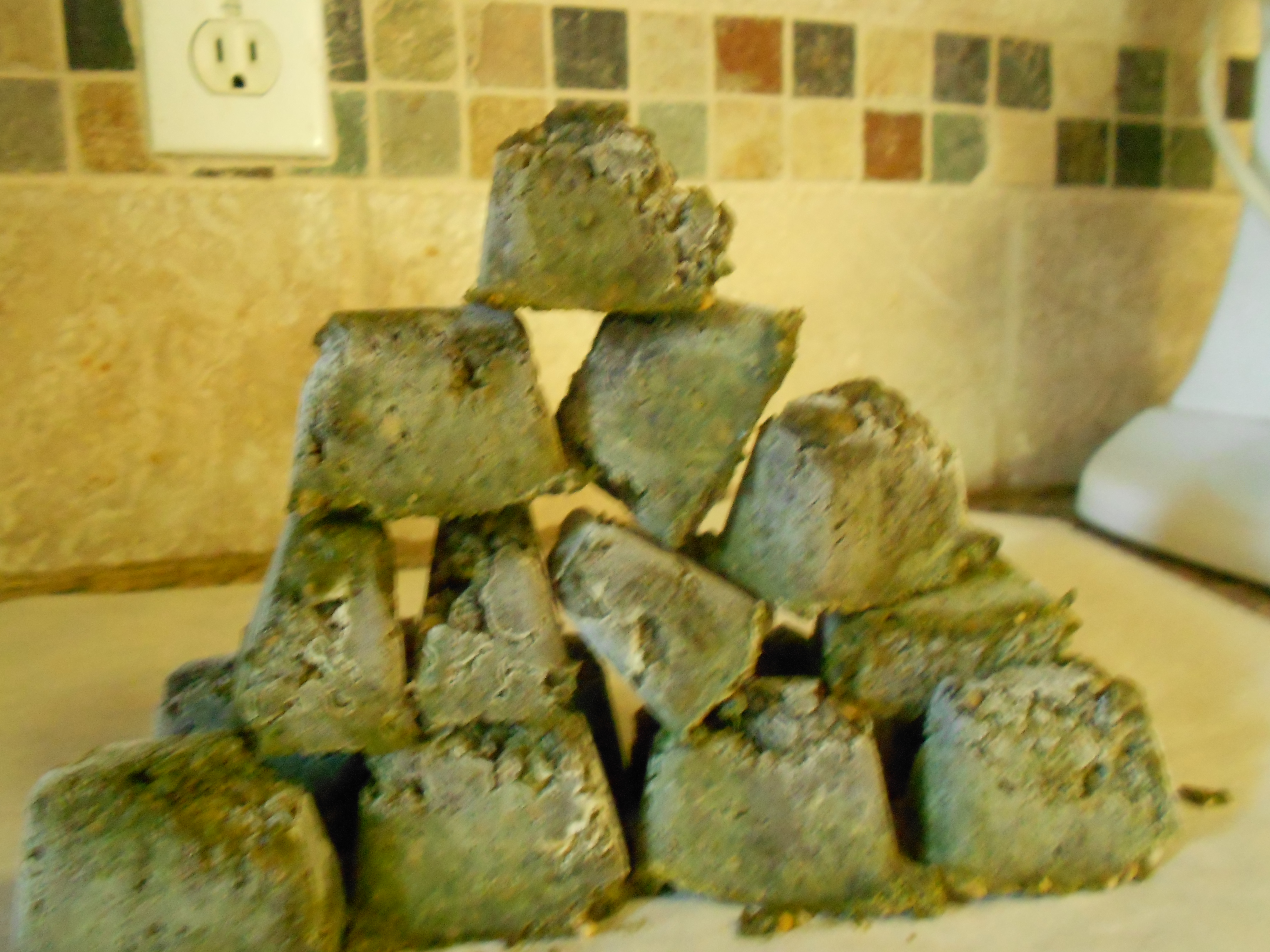
Pesto cubes can be used in sauces, soups, or as Pesto in the dead of winter.
What’s that Purple Thing from the CSA and what do I do with it? – CSA week 4

Joining a CSA Farm is like a box of chocolates. You just never know what you’re going to get.
The adventures of my first summer with a CSA continue. Here is what I’ve learned so far:
- Don’t expect to live on what you get in your CSA share. In spring and early summer, you’ll still have to supplement your local produce with things like peppers and other salad vegetables
- Locally grown produce from a Northeast CSA will not include summer plums and peaches and berries, so you will still have to buy that at the supermarket
- Expect to get a lot of Kale. Learn different ways to prepare it, you’ll be surprised how much you like it.
- Don’t expect vine-ripened tomatoes until at least late July
This week, like last, we received a bunch of sugar snap peas. 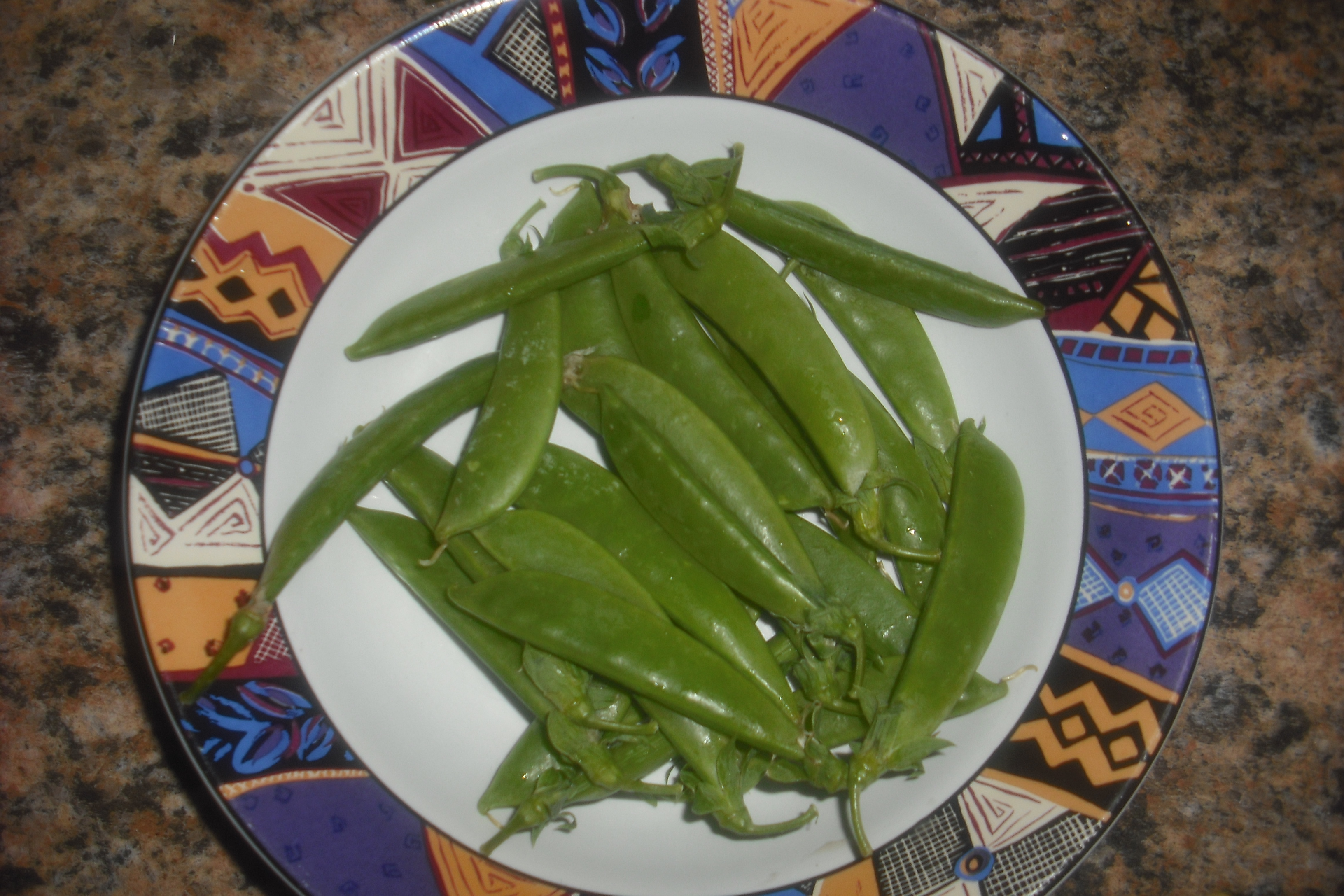
They can be prepared in stir-frys and salads, but my family likes them best raw. Easy enough.
We also received some beautiful purple basil which I shredded and used as a topping for pasta. It’s also good in Thai cooking. 
But last week, after getting back from a great trip to see the family back in NYC, I went to pick up our family’s half of the share from our friends. They took the basil because they knew I have a ton of it in my own garden.
What they gave me was this:

This weird, bulbous thing is called Kohlrabi. It’s pronounced: Call Robbie. It looks like it could have grown on futuristic farm on Venus. Just the sight of it made my sons laugh. I have never had Kohlrabi, neither did our CSA partners, so they let me be the brave one and try it first.
So what to do if you encounter Kohlrabi in your CSA share this summer:
- First you peel the purple away. I thought this was a bit disappointing because it was the vegetable’s purpleness that made it so intriguing to my kids. Underneath, you will find a white flesh, like a turnip.
- Slice it thinly with a sharp knife. Kohlrabi is tough!
- Toss it with Olive oil Salt & Pepper and place it on a single baking sheet in the oven at 400 degrees. It has a sweet taste and the texture of roasted potatoes
- Make a Kohlrabi Green Apple Slaw, as featured in A Veggie Venture
- Make a Kohlrabi puree, as recommended by Farmgirl’s blog
I will wait patiently for the mounds of zucchini and tomatoes we’ll get in our CSA share. But in the meantime, I’ll have fun with this strange vegetable that looks like it was grown on another planet.
Arugula Pizza and other creations from my CSA box: Week Two

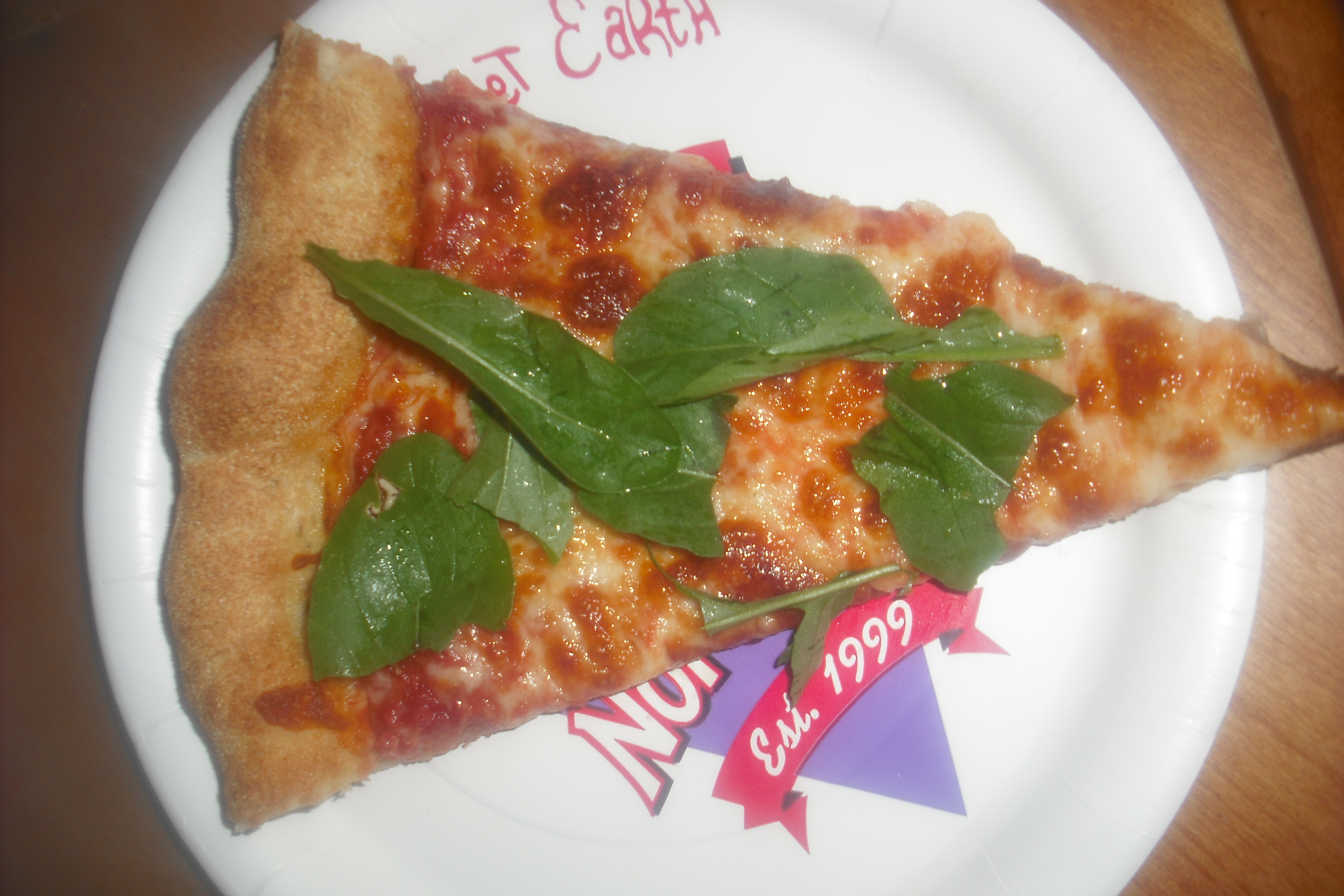 The first thing my friend asked when we arrived to split our first harvest from our East Hill Farms CSA was:
“Where’s the tomatoes?”
Actually, what he said was “Ma kara? Eiphoh ha tomatoes?” But for those of you who do not understand Hebrew, I’ve translated it for you.
This was a question of serious concern from my friend, a native Israeli. And Israelis take their tomato-cucumber salads very seriously.
This is the thing that one must understand when joining a local CSA, or Community Supported Agriculture farm: In early June, in Western New York, those coveted red, vine ripened tomatoes don’t exist. At least, not the kind that don’t grow in hothouses.
For those, we have to be patient.
But, here are some things I have made from our first helping of CSA vegetables from the East Hill Farm, plus the earliest herbs I’ve grown and picked in my own garden:
Lettuce – Not the durable, homogenous pale Romaine hearts you get in a plastic bag at the supermarket. But tender, sweet tasting lettuce. Naturally, these went immediately into a salad.
Kale –Hmmmm, that’s bitter stuff, you may think. But if you join a CSA, be prepared to get a lot of Kale. It really does taste great and is packed with nutrients. It’s best sauteed with olive oil & garlic (the fresh kind provided by the CSA) for a warm salad. Drizzle it with Balsamic Vinegar and toss it with walnuts.
Bok Choy – I sauteed them with garlic and ginger.
Pea Shoots – I sautéed these right along with the Bok Choy.
Finally, something that did not come from my CSA but my own garden.
Arugula. Since I have blogged about growing arugula, I have received nearly 100 hits for people searching for arugula on the web.
One night, after shuttling my sons to and from their back-to-back baseball games, I decided not to cook but instead ordered in a pizza.
To jazz up my pizza, I went to my garden. I picked out some baby arugula leaves.Washed them well. Plopped them on top of a pizza slice. Fantastic.
It’s not too late to plant arugula. In fact, it’s the right time to start some arugula seeds now, in a partially shady spot, to enjoy later this summer.
And, have no fear, judging from the yellow flowers that are forming on my tomato plants, I am sure those red globes of sumer deliciousness will be arriving very soon.
Answer #153: The smartest thing I’ve ever heard was at a Dunkin Donuts

A few years back on a visit to see the family in St aten Island, I went into a neighborhood Dunkin Donuts to get my daily cup of Joe. Actually, I was on my way to visit my grandmother, who was very frail and suffering from dementia. And, to tell you the truth, at this point in her life, she was slowly ebbing away from us, slowly dying.
I don’t know if I ever saw my grandmother in good health. Though she always gently lectured us about getting the right amounts of calcium, sang the praises of eating fish for “brain food,” and questioned me into my 30’s about if I was maintaining a “slim” weight. Her body began to feel the ravages of osteoporosis in her late 60’s.
I consider myself lucky. I have never had a weight problem. And I try to stay active with enough weight-bearing exercises and eat calcium rich foods. I know I won’t be young forever, but I want to be able to stand on my own, walk on my own, until my last days on this earth.
Meanwhile, back at the Dunkin Donuts….
Ahead of me on line stood a rather large man.
Dunkin Donuts had recently introduced its DDSmart marketing plan that aimed to put more low-fat nutritional items on its menu in addition to their traditional offerings of Boston Cremes and Munchkins.
As I looked at the lower fat options for reduced fat Blueberry Muffins (450 calories compared to 500 in a regular blueberry muffin) and skim milk Vanilla Lattes (130 calories in a medium-sized drink compared to a 200 calorie Latte made with whole milk), the guy in front of me turned to me, as if reading my mind, and said:
“Low Fat-Low Shmat. Will it really make a difference? Enjoy your life, because no one gets out of this world alive.”
I’m not waiting until Spring: This is what I’m Planting Now
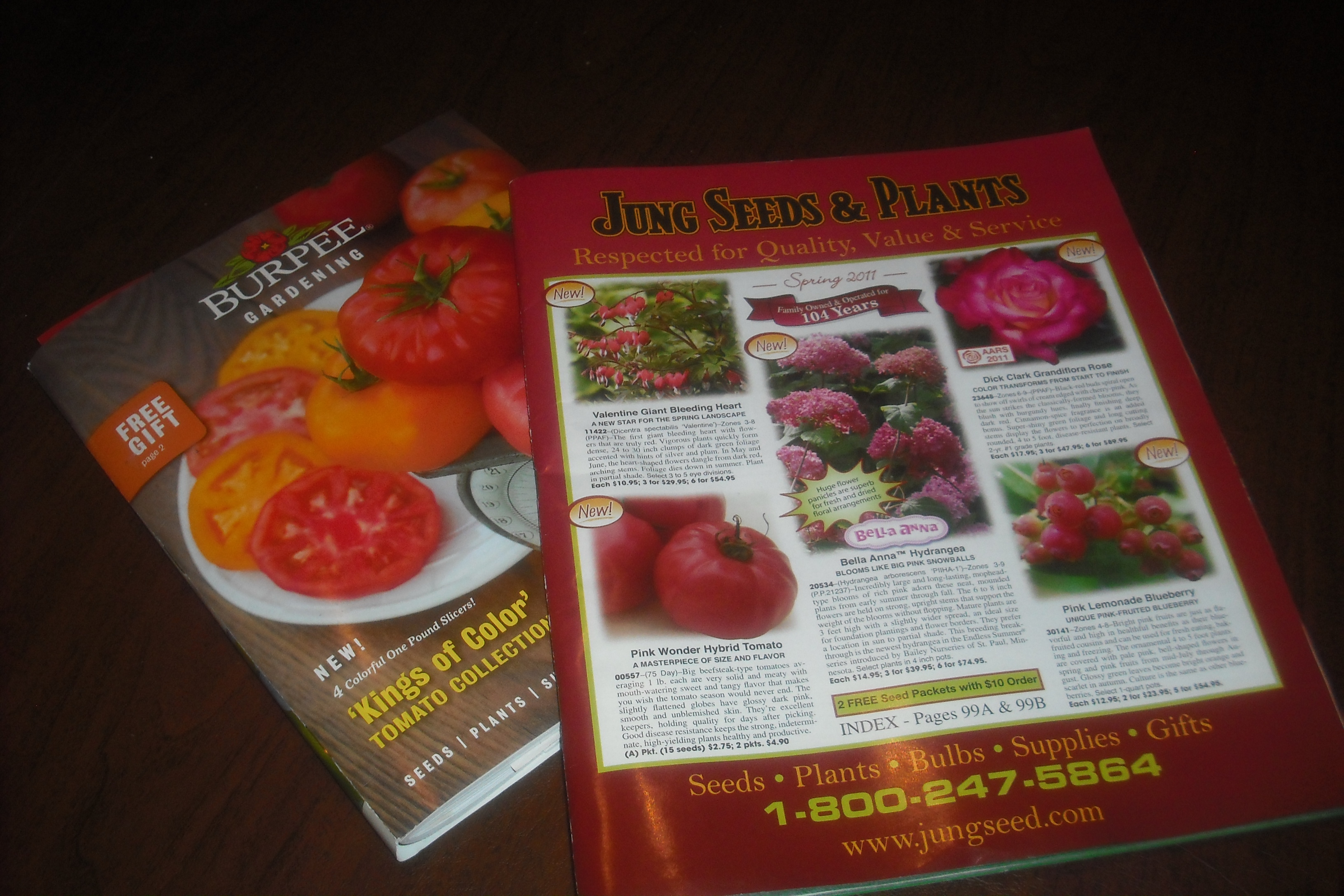
with seed catalogs in the mail, can spring be far off?
Another week of winter and another tease by Mother Nature. This past Friday sent temperatures soared into the high 50’s, reducing the snow to piles of slush. The birds were chirping, and I took a long walk – my first outdoor walk in almost a month.
My garden re-emerged from under the snow and revealed daffodil shoots peeking up, as if to extend a long finger to winter saying, “curse you winter! Spring is coming whether you want to leave or not!”
But winter isn’t letting go. The weather will fight with itself for another month before it turns spring for good.
It’s this time of year when gardeners like me really need to get our fingers dirty in some soil. I need to plant something. I need to see that moment when a new plant breaks through the soil. After months of unrelenting white, I need to see something green (besides the moldy lemon hiding in the back of my refrigerator).
Hence the garden shows that come to cities around the country this time of year. This includes the Rochester Home and Garden Show March 26 – 27.
I start seeds of flowers vegetables and herbs in my living room. Newly planted seedlings keep warm thanks to the floor vents in my house, which was built in the 1920’s. As they sprout, I bring the seedlings down to the grow lights in my basement. These grow lights are visible from my basement window. So, if you are a law enforcement officer trolling the Internet, let me assure you that I grow NOTHING that is not legal.
So, here is how I start:
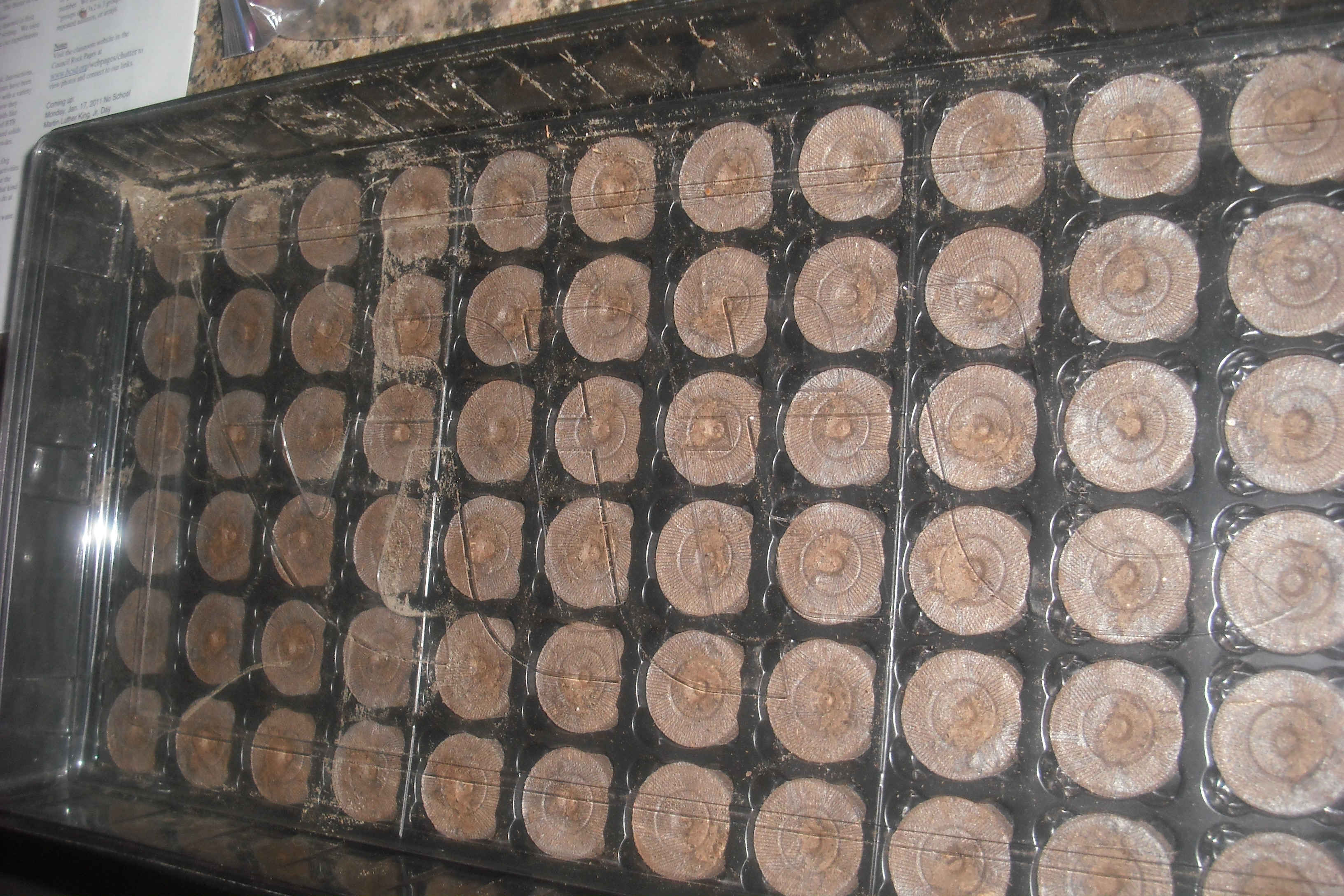
I begin with seed pellets. You can buy these at the big box home improvement stores or seasonal sections in a good grocery store. These pellets will puff up with some warm water. Kids like this step because these flat pellets grow right before their eyes.
Then, I filled the pellets with seedlings of
Basil
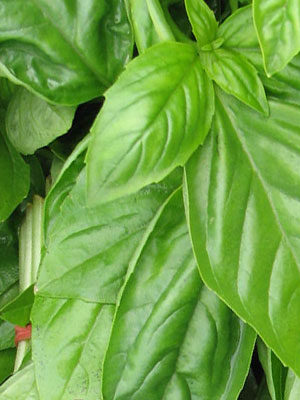 Even the tiniest basil leaf, if you run your fingers over it, carries that strong, sweet aroma and reminds me that in a few months, these leaves will become the ingredients of a Caprese Salad or Pesto when they grow up.
Arugula

The tiniest arugula leaf also carries that same zippy, peppery taste of its grown counterpart.
And, for a little color, this year I’m going to plant
 Raspberry Lemonade Zinnias.
Not to mention ‘carnival’ bell peppers. And I feel most obligated to grow a tomato variety developed at Rutgers University.
I’ll be taking pictures of my seedlings as they grow.
A Share in Community Supported Agriculture: Let the Adventure Begin

This week, a friend and I put down the down-payment on an epicurean adventure we will be taking this summer.
Why is it an adventure?
Because we have signed on and invested in a local farm, and all the risks that go with farming. We are taking a bet on Mother Nature that she will bestow upon our local farm the perfect conditions for growing a bountiful crop this summer.
Because this summer, we will have to get very creative with kale and beets.
The rising demand for locally-grown produce and sustainable farming methods has created opportunities for developing a connection between enterprising young farmers and suburbanites through a movement called Community Supported Agriculture, or CSA.
In December 2001, one source reported a net total of 761 CSA farms registered with USDA. By 2007, an agricultural census conducted by the USDA tallied 12,549 farms that marketed products by way of community supported agriculture (CSA).
Most of these CSA farms are located in California and Texas. Right now, in New York State, there are about 200 farms that use CSA as a method to market their crops.
Oe of them is the East Hill Farm CSA in Middlesex. It is the project of the Rochester Folk Art Guild a sustainable community of artisans and farmers who have worked and created on this farm since the 1960’s.
Though the ground is still covered with snow, the East Hill Farm managers are busy ordering vegetable seeds, recruiting volunteers and processing CSA membership applications. Over half of the farm’s 80 shares have already been sold. A membership for 20 weeks of produce costs $500, or $490 if purchased before March 1. Shares include a wide variety of vegetables, as well as fruit in the later part of the season.
Information on getting a CSA share can be found at www.easthillcsa.org or by calling the JCC at (585) 461-2000. At the website, one can even sign up for a “CSA buddy” to split a share if a boxful of veggies every week may be just too much to consume.
The East Hill Farmers represent a new generation of farmers who may not necessarily have a background growing up on a parent’s or grandparent’s farm. What they do have is a passion for growing food with organic and sustainable techniques.
Cordelia Hall grew vegetables as a child in a community garden and then became part of the “guerilla” urban gardening trend while she was a student at Boston University. Now in her third year as co-manager of the farm, she has observed and worked on farms in Tanzania, New Zealand and Mexico.
Thomas Arminio, another suburbanite-turned-farmer at East Hill, said his experience in farming has taught him that timing plantings just right is crucial for having successful crops. A native of New Jersey, he is looking forward to growing interesting varieties of melons and root vegetables along with heirloom tomatoes, beets, Swiss chard and lettuces.
So, this summer, I can actually say I have become acquainted with the people who will grow my food, because I interviewed them for my column and this blog post. You just can’t say that buying a plastic-wrapped package of hothouse tomatoes from a big box warehouse store or the supermarket.
As I get my box of veggies for the week, I’ll write about what I got, and what I made, so stay tuned.
Breakfast, Lunch or Dinner?
 Take a listen to “Banana Pancakes.” by Jack Johnson.
Can there ever be a meal that conjures up more feelings of comfort than breakfast food?
I could eat breakfast any time – day or night. I have been known to make blueberry pancakes for dinner for my family of five after a very hectic day of school and work. It takes time to prepare breakfast foods like pancakes, eggs and French toast. Time that my family rarely has to spend together in the morning, not even on the weekends. In fact, if we had to wait for downtime to have breakfast at breakfast time that is not out of a box, with all of us together, we’d be waiting until summer vacation.
I guess my love for breakfast started when my husband and I were young, poor and newlyweds out in Berkeley, California. I was earning minimum wage in a PR internship and he was a starving student. We had no kids and no car, but we always had money to go out for breakfast.
We had several favorite breakfast places in Berkeley and neighboring El Cerrito. One was a tiny storefront on San Pablo Blvd. called the Shutter Cafe. We’d sit on wooden benches and enjoy eggs and some great home fries.
But the best place to eat breakfast was Fatapples in El Cerrito. We’d wake up in our one-bedroom apartment after sleeping in on a Sunday morning, grab the paper and start walking. There would always be a line for a table, but we didn’t care. We would glance at the news and sympathetically watch young couples struggle with their impatient toddlers as we waited for a seat in the airy dining room.
Finally, the waitress would beckon us to our table. I would order the blueberry pancakes and he would get the usual: eggs over easy with Rye toast. We’d drink cups of strong Peete’s coffee, talk, and do the crossword puzzle while we waited. After breakfast, we would walk home and were so full we didn’t eat again until dinner.
So, Jack, we completely understand. Because having breakfast for dinner helps us pretend that we are still young and newly in love, it’s the weekend, and we’ve just slept in.
What meal could you have all the time?
Happy Year of the Rabbit

My brother and I at Ko Shing Rice Shoppe's Grand Opening, circa 1977
Growing up, all roads led to Chinatown.
My family went into “the city” a lot. That is what Manhattan is called, even if you lived in one of New York City’s outer boroughs, as we did. We could be uptown at the Museum of Natural History, at Madison Square Garden catching the Ringling Bros. & Barnum & Bailey Circus or the Ice Capades, or schmoozing on the Lower East Side. But when we got hungry, we ended our day in the city in Chinatown.
And most of the time, we ate at the same restaurant: The Ko Shing Rice Shoppe.
The Ko Shing Rice Shoppe was located right across the street from the brand-new Confucius Tower apartment buildings. Its dining room was sparsely decorated with wood panels and mirrored walls and plain tables and chairs. It was not a tourist spot so it did not have the usual Chinese kitsch of gongs, pagoda-sloped ceilings or dragon tapestries on the walls.
What it had was great food.
My grandfather knew the owner from many years before. He worked nights at the New York Daily News for over 50 years. His lunch break was around 3:00 a.m. Over the years, he became a regular at one of these all-night Chinese kitchens that operated out of a midtown basement. There, he met Lee. One day, or night, Lee said he was opening up his own restaurant in Chinatown and wanted my grandfather’s whole family to be there for the celebration.
That is where the above picture is from. I was about nine, so my brother was only five. We were the only non-Asian family there among the celebrants, and we were treated to plate after plate of chicken & cashews, crab, bowls of winter melon soup and other delicacies.
From that age on, until my 20’s that was the restaurant of my family’s choice, above Italian food, above Kosher Deli, it was Chinese food that was our exotic cuisine of preference. Chinese food is as inextricably linked to my identity as Matzah Ball soup and gifelte fish.
So, on day outings to the city, we would get there at an odd hour: 3:30 or 4 o clock. The restaurant would be all but empty except for our family: my parents and my brother, my grandparents, and friends who would meet us there, locally and from out-of-town.
In the back at a huge round table, the cook staff would be chopping mountains of Bok Choy and broccoli in advance of the evening rush. My grandfather would take us into the kitchen to say hi to Lee and the chefs. Then we would order, my grandfather would order for the whole family not bothering to even look at the menu. He would just ask Lee to make us a dish of this and a plate of that, always with extra ginger and garlic at my grandmother’s request.
If the waiters had time, they would patiently instruct my brother and I how to use chopsticks. We would have to eventually abandon our practice and resign to use our forks when my mom and grandmother said we were taking too long in our attempts to pick up every individual grain of rice.
After dinner, it was still early in the evening. No matter the weather, summer or winter, we would walk through the narrow streets of the heart of Chinatown. And before vegetarianism or veganism was hip, my grandmother was the first person to introduce me to tofu. After dinner, she would have to make a stop at the Tofu factory to bring some home.
The Ko Shing Rice Shoppe was a place where we held our family birthday parties. My mom’s 40th. My grandfather’s 65th. I even found myself there with my grandfather after the funeral of my paternal grandmother, with whom I did not have a relationship.
But on the ride home, seeing that I was a bit glum, my grandpa found our way somehow from the funeral home in Westchester to the Ko Shing Rice Shoppe. We talked over the events of the day over steaming cups of tea and a dish of beef lo mein.
I don’t know if the Ko Shing Rice Shoppe still exists. I went back to Chinatown on a recent visit but didn’t have the heart to walk the street where it was, in case it was boarded up or another restaurant had taken its place.
In young adulthood, visits to another Chinatown – this time in San Francisco – were a highlight of my newlywed life when my husband and I lived in Berkeley, Calif. We ate at San Francisco’s famous house of NanKing, where lines would snake around the corner during the Chinese New Year to sit in a crammed dining room and feast on sizzling plates of vegetables drenched in the most incredible hoisin sauce I have ever tasted. In the evening, we squeezed into the crowds for a view of the parade, complete with Chinese Dragon dances, drumming bands, and marshall arts demonstrations.
Now I live in a town without a Chinatown. But there are still some good family owned Chinese restaurants in Rochester, like Golden Dynasty and Chen’s. My diet has changed from consuming everything to only sticking to vegetarian items. But still, on Chinese New years, my children delight in the traditions of getting a dollar in an envelope and opening up fortunes.
Have a great New Year!
Over the River and Through the Woods: Tips from Thankful Road Warriors

How do you get from here to there?
Thank goodness for Thanksgiving. The long weekend affords most of us a breather from modern life’s breakneck pace. We pause to focus on coming together with family and friends, preparing a meal, tossing a football and sleeping late in your own bed.
But, if you are like my family – transplants – Thanksgiving means hitting the road. Or, heaven forbid, the airports. That is the only way the family-coming-together aspect of the holiday happens for us.
In our case, traveling is not as idyllic as over the river and through the woods. It’s more like Down the Thruway and over the Outerbridge Crossing to Staten Island We Go. Where there are hardly any woods left to go through.
For eleven years now, we have traveled to see our family every Thanksgiving but one. This is another consequence of being Transplantednorth. If you leave the area where one’s family roots are still entrenched, the roads are rarely traversed the other way. It’s just expected. We are the only part of the family “upstate.” We left. Everyone else still lives Home — the New York Metro Area. Or, in a term I only learned when transplantednorth – “downstate.”
And on Thanksgiving, just as the larger planet pulls on its smaller orbiting moons, down the Thruway we go.
One especially hectic year, we stayed in Rochester for Thanksgiving. The weather was beautiful – warm even — and we spent a relaxing weekend feasting and playing into the evening at the Brighton Town Hall playground. I prepared perhaps the only Thanksgiving feast I will ever make. I made the turkey on the barbecue. I made a chestnut stuffing ala Martha Stewart. Everything tasted delicious. But the lonely looks on my childrens’ faces taught me a lesson: Thanksgiving tables are too empty without grandparents, aunts, uncles and cousins.
So, after traveling for 11 years with two and then three kids in tow, I have become thankful for a thing or two on what I have learned and would like to share them with you, especially if you are a novice at parenting on the go:
- I am thankful that cries for Sippy cup refills and diaper changes have been replaced by three contented souls in the back who can pass snacks to each other, operate the remote to the car DVD player, and participate in family sing downs and games of 20 Questions.
- I am thankful for every rest stop we have discovered between here and there, especially to kind workers who have supplied us with buckets, hoses and slop sinks for carsickness cleanups. Really, if you do have a kid that gets sick in the car, find a truck stop like the Flying J Travel Plazas that have showers and washing machines. The folks there are all too kind to help you in your distress.
- I am thankful that we finally come “home,” we have relatives who bound down steps and out into driveways to greet us, no matter the lateness of the hour.
In our 11 years of travelling down to New York City, here are my family’s dos and don’ts when traveling the Western New York-to-New York City Route:
- DO strap everything down very carefully. On our first trip back to Rochester, on a windy, windy passage of Route 78 in New Jersey, our Peg Perego Stroller came loose and flew off our roof rack. One minute, there it was, and then it was on the side of the road, thankfully killing or injuring no one in its catapulted flight.
- If you are traveling with very young children that might become carsick, but may not alert you at the most opportune time that they will become carsick, DO pack a puke kit. This kit includes a roll of paper towels, a bottle of Lysol all-purpose liquid cleaner, and a change of clothes that is easily accessible.
- If traveling with those same small children, DO invest in one of those Art Cart on the Go Tables that can be placed over a child’s lap. The Art Cart has legs that double as side pockets that keep paper, crayons and markers handy. Or, in the worst case scenario, those pockets also can come to the aid of the carsick child. I speak from experience.
- For a meal break, DO stop in Scranton or Dickson City, Pa. It is exit 191 A or B on Route 81. Home of The Office, it is a great little town to stop for meals. If we hit Scranton for lunch or dinner, we eat at Tonalteca. The place is clean, the decor features hand crafted carved booths from Mexican artisans, and there are plenty of choices for vegetarians. The guacamole is outstanding. And, for those of you who get stir crazy in the car, they play great salsa music in the bathroom. If they have the security camera going by the sinks in the ladies room, they might have footage of me doing some salsa steps I learned in Zumba for all I know. Anything to work off that guacamole.
- DON’T stop in the Poconos for any reason. There really is no place to stop. The gas stations for bathrooms have nothing more than outhouses or bathrooms around back that you have to carry in those huge keys for admittance. And, if you see a billboard for The Cheesecake Factory, don’t believe it. No, it isn’t The Cheesecake Factory, the upscale eatery. It’s just – a cheesecake factory. So, unless you want to sit in your car with your family consuming a cheesecake for a meal, ignore the sign and keep driving.
- DO find the small village of Whitney Point along Route 81 and stop at Aiellos Italian Restaurant for the best pizza you can find in Western NY. And I am not saying this is good pizza for Western New York. I mean, this is thin-crust Brooklyn Pizza that somehow found its way to Western New York. And, the quaint restaurant in the back will be decked in its Christmas decorations this time of year. You won’t want to miss out on this.
And as for traffic…..
- DON’T be anywhere near Binghamton or Syracuse on Sunday afternoon if you can at all avoid it: college kids coming back from Thanksgiving break.
- DON’T go near the Delaware Water Gap if you don’t want to get stuck in traffic during peak hours
- DON’T go over the George Washington Bridge or traverse the Cross Bronx Expressway. Ever.
Safe travels to you and a very happy Thanksgiving.
About Me

Kreativ Blogger

Versatile Blogger Award


 Stacy Gittleman